The impact of luck versus skill in gambling outcomes
Understanding Luck in Gambling
Luck is often seen as a critical component in gambling, influencing outcomes in a variety of games. This unpredictability is what makes gambling exhilarating; every roll of the dice, shuffle of the cards, or spin of the wheel can lead to unexpected results. The element of chance creates a thrill and often motivates participants to engage in these activities, hoping that fortune will smile upon them.
The nature of luck varies significantly across different gambling formats. For instance, in games like slots, outcomes are often purely random, dictated by random number generators that ensure a fair play environment. However, this reliance on luck can present a double-edged sword. A player may win big on a lucky streak one day, but may also face unprecedented losses on another. This cyclical relationship between good and bad luck is fundamental to understanding gambling outcomes. Over time, even the most skilled players may face periods of bad luck, emphasizing the importance of patience and emotional resilience in gambling.

Skill’s Role in Gambling
Skill is another dimension that sees varying degrees of involvement depending on the type of gambling. In games such as poker and blackjack, a player’s skill level can significantly affect their chances of winning. Strategic decision-making, psychological tactics, and mathematical acumen come into play, allowing individuals to gain an edge over less experienced opponents.
While luck may determine the outcome of a single hand or roll, skill can influence the overall results over time. Skilled players are often better equipped to navigate adverse situations, manage their bankroll, and maintain composure under pressure. This means that over an extended period, skillful players can mitigate the impact of bad luck, often leading to more favorable outcomes in the long run. Thus, while luck plays an undeniable role in gambling outcomes, skill has a substantial impact, especially in games that are not purely chance-based. Understanding the nuances of both aspects can help players develop a more effective approach to their gambling strategies.
The Psychological Factors at Play
Beyond the tangible aspects of luck and skill, psychological factors also intertwine with gambling behaviors. Cognitive biases, such as the gambler’s fallacy or the illusion of control, can skew a player’s perception regarding skill and luck. For instance, players might believe that they can influence the outcome of a game through their actions, even in instances where luck is the predominant factor.
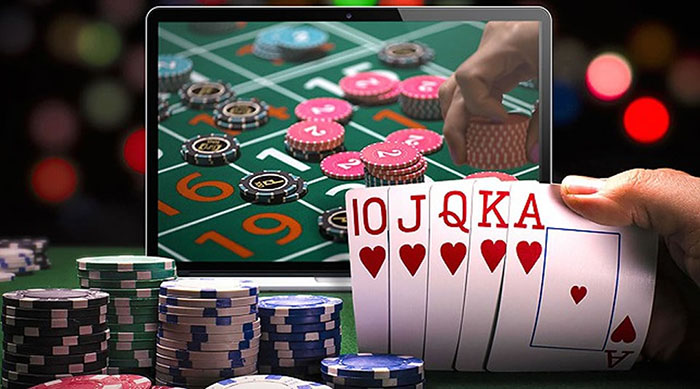
These psychological elements can often create unrealistic expectations, which may lead to repeated gambling in the hope of recapturing lost fortunes. Such behaviors can lead to a cycle of chasing losses, which often exacerbates the risk involved. Understanding these mental patterns can empower players to approach gambling with a more informed mindset, recognizing when skill is truly at play and when they are merely relying on luck. Mental discipline and self-awareness can significantly enhance a player’s experience and long-term outcomes.
Comparing Luck and Skill Across Different Games
The variance in gambling games highlights how luck and skill are proportionally intermingled. In games like roulette and slots, the outcome is primarily driven by luck, whereas poker and bridge rely more on the skill of the players. This diversity illustrates the spectrum where some games are considered games of chance, and others are seen as games of skill.
The design of these games inherently shapes players’ experiences. Understanding whether a game leans more towards luck or skill can aid players in making informed choices regarding which games to play. Often, players will rely on their strengths; those confident in their skills may gravitate toward strategy-driven games, while others might pursue luck-centric games for the thrill of unpredictability. The attraction to various games often reflects individual preferences and personal experiences, further diversifying the landscape of gambling.
Learning More About Gambling Outcomes
To delve deeper into the relationship between luck and skill in gambling, resources and communities exist that explore these dynamics thoroughly. For example, online platforms provide guides, forums, and tips designed to enhance players’ understanding of various gambling formats. Engaging with these materials can offer insights into effective strategies and the underlying mechanics of games.
Moreover, for those interested in trying their luck from the comfort of their homes, exploring options like the best online pokies Australia can provide a thrilling experience. These platforms combine entertainment with the opportunity to test both luck and skill in a virtual setting, catering to players from diverse backgrounds and preferences. As players familiarize themselves with these concepts, they can develop a more balanced and informed approach, ultimately enhancing their gambling experiences and enjoyment.